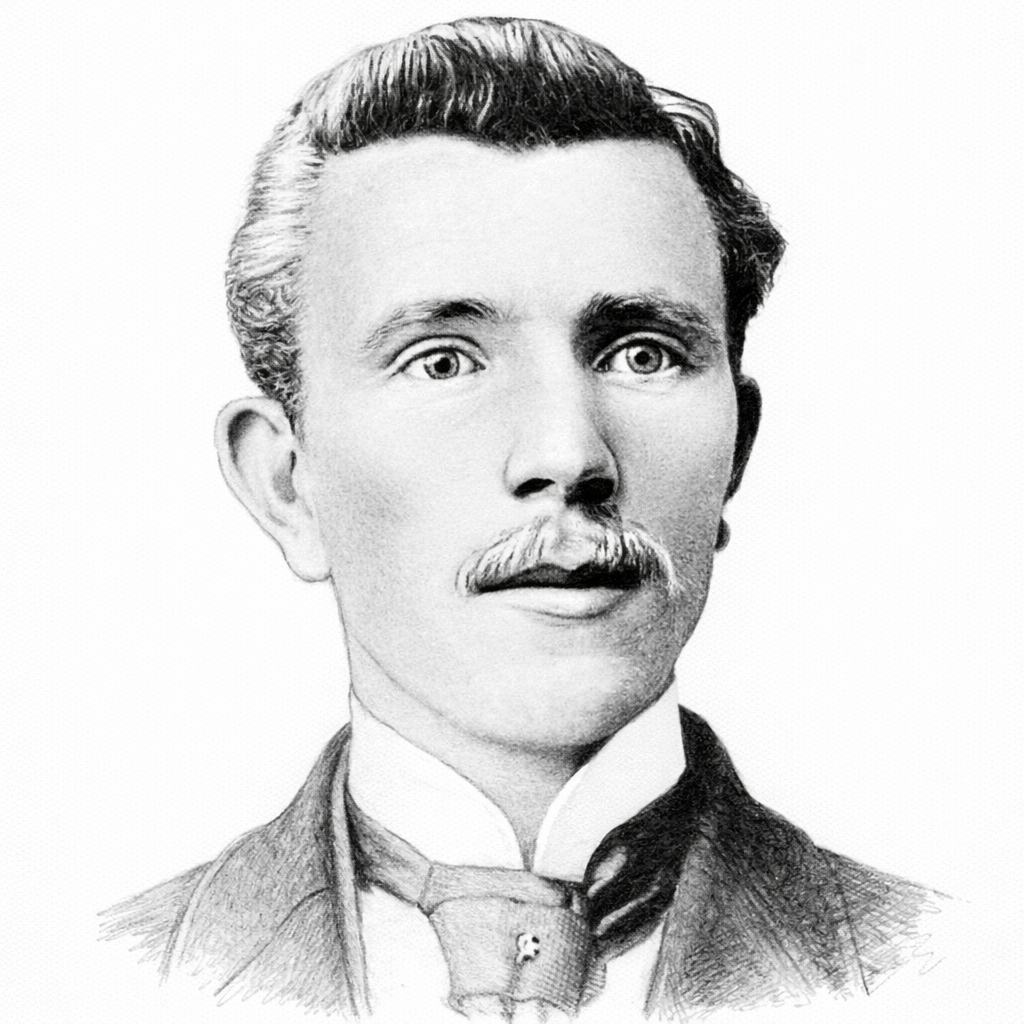
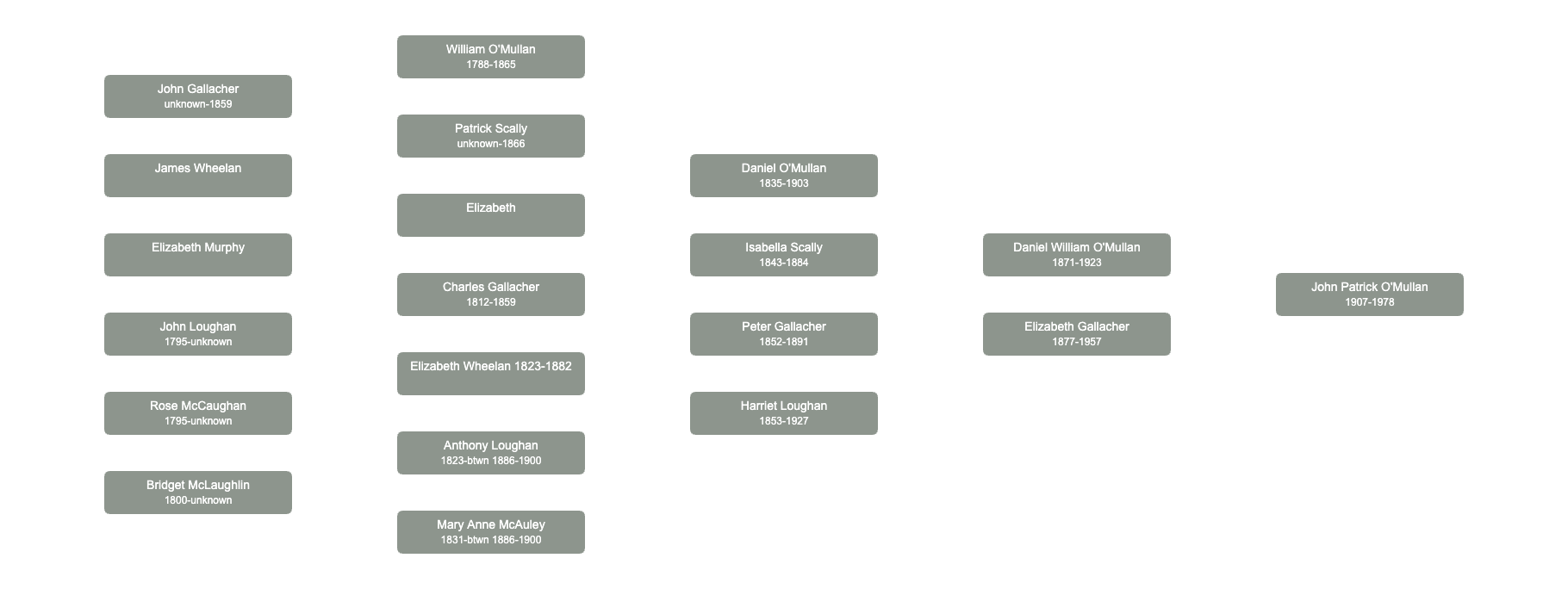
My great-grandfather, Daniel William Mullan, was born 2 JAN 1871 on the grounds of the Lime Park Estate in Moyaver, County Antrim.
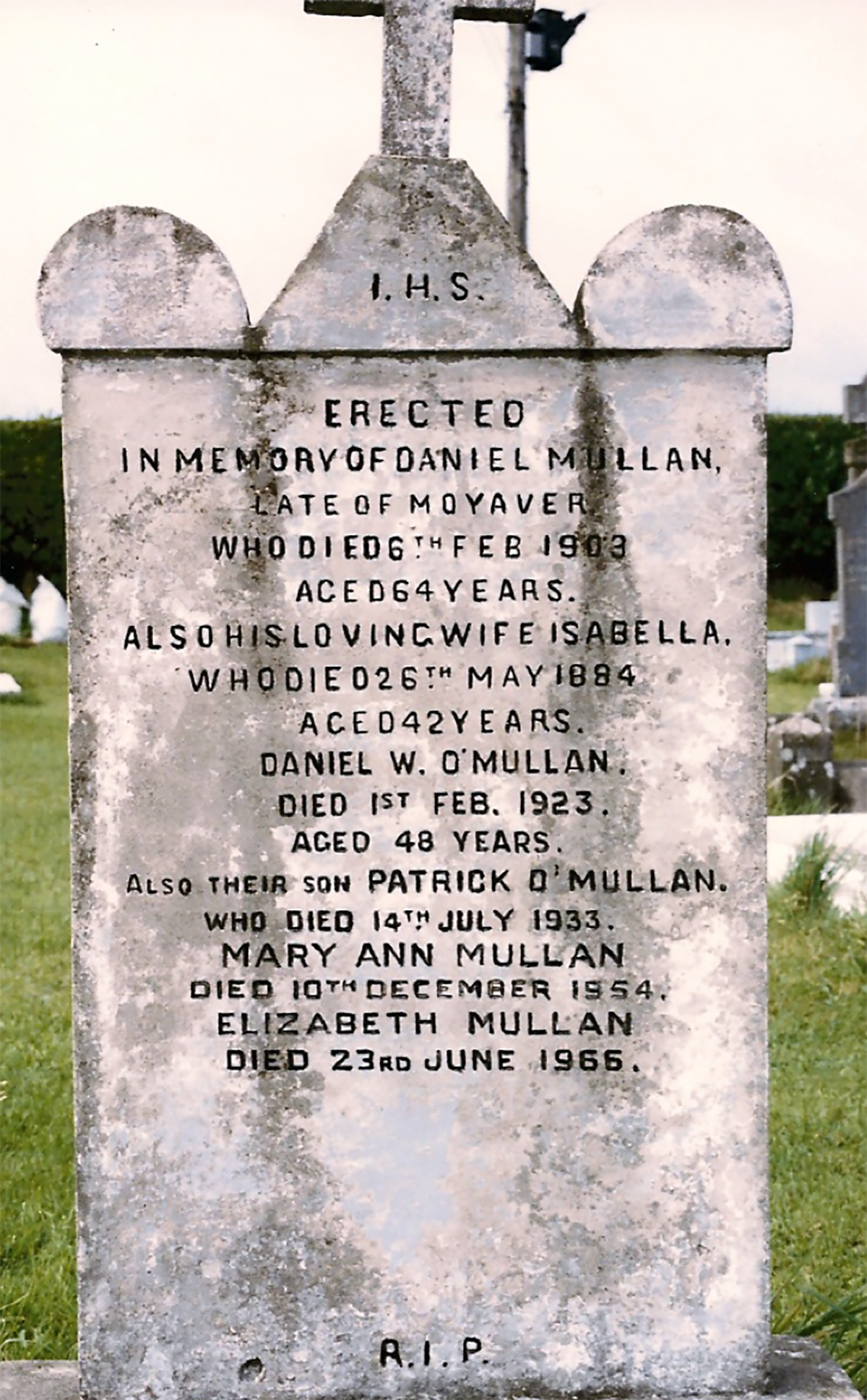
His father, Daniel O’Mullan, was a shoemaker who married a farmer’s daughter and dressmaker from across the street on Drones Road. Her name was Isabella Scally and together they had 4 children. The shoemaker lived to be 66 but Isabella passed away from hepatitis at the age of 41, when Daniel William was only 11 years old.
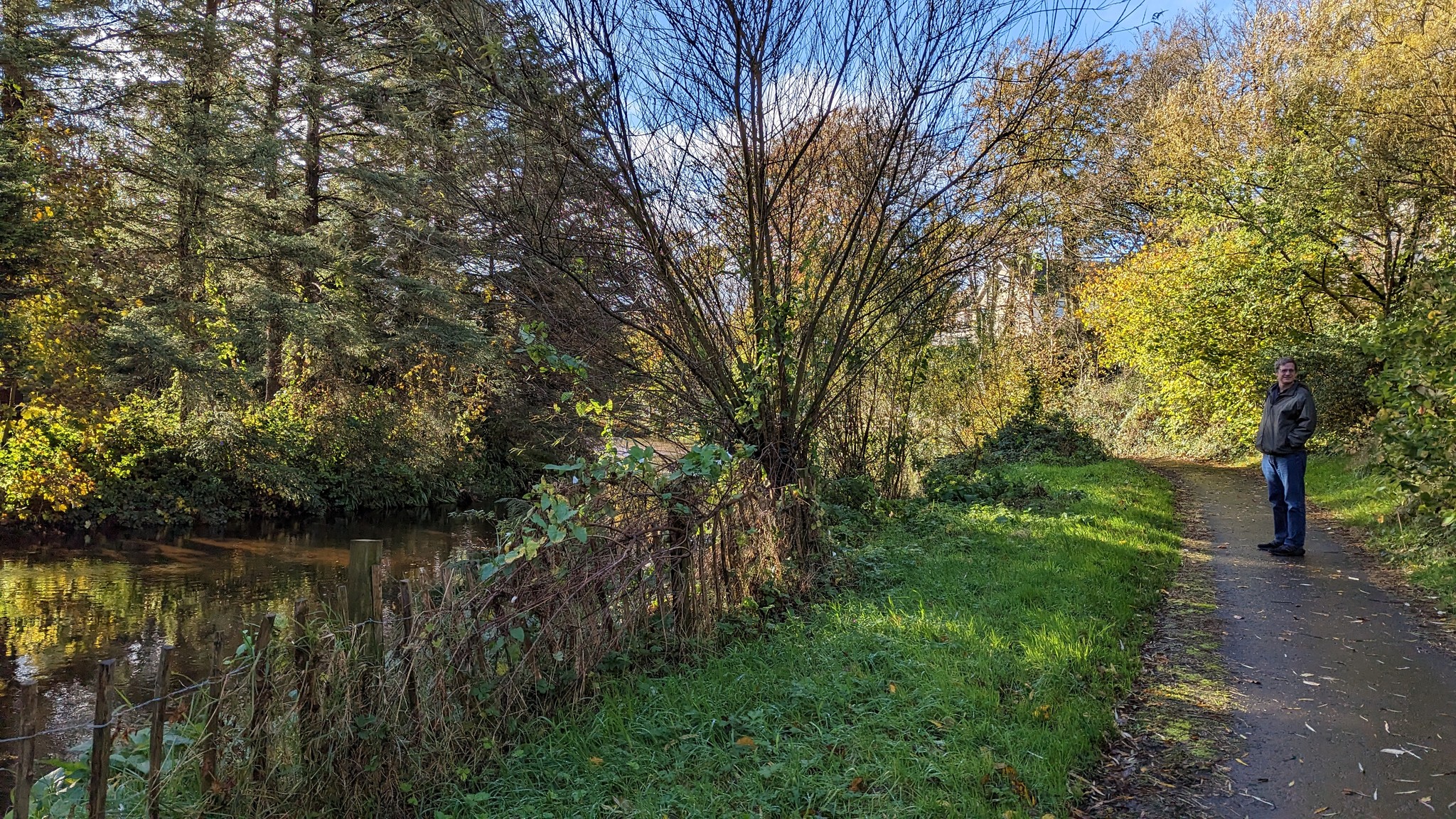
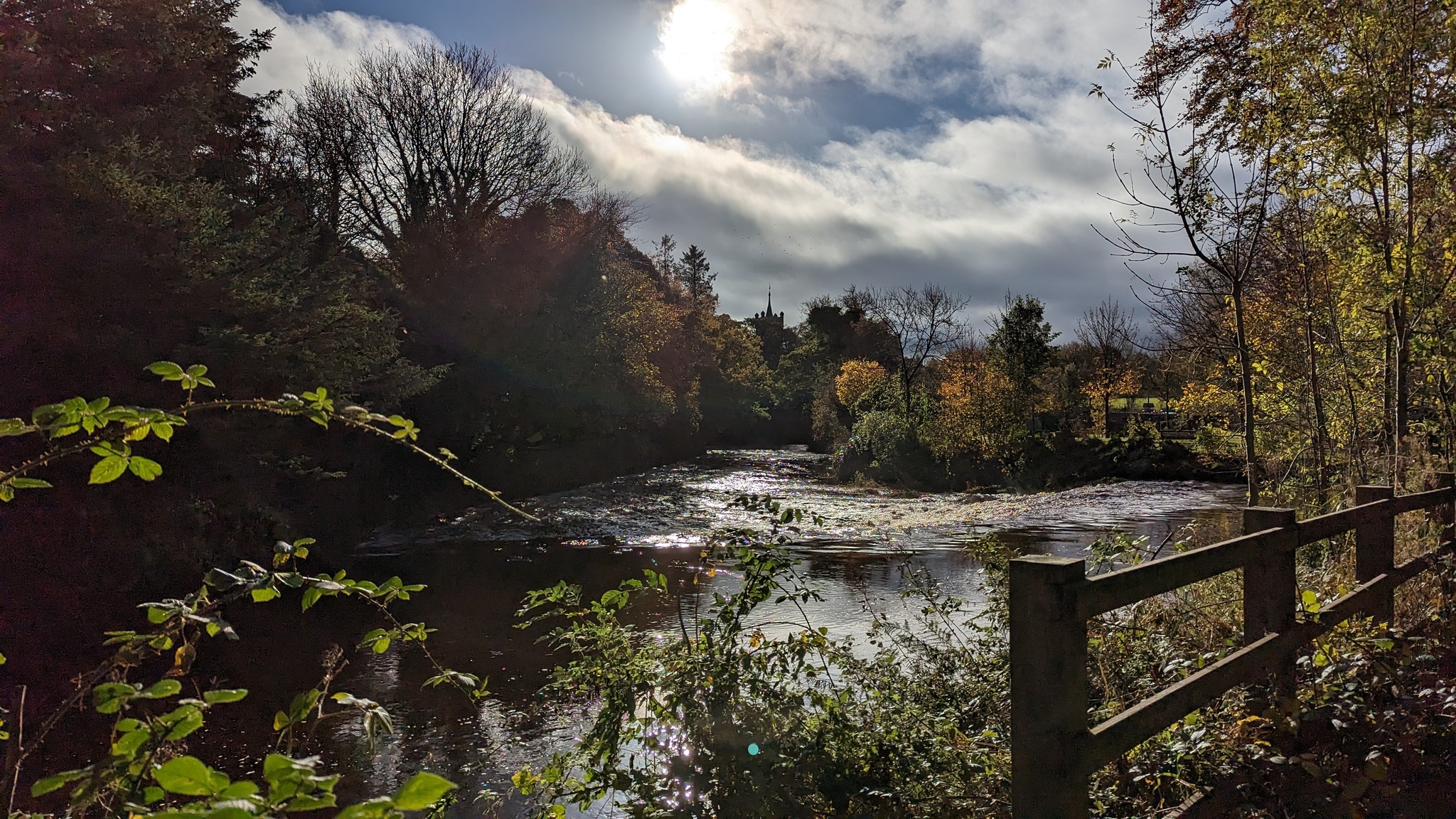
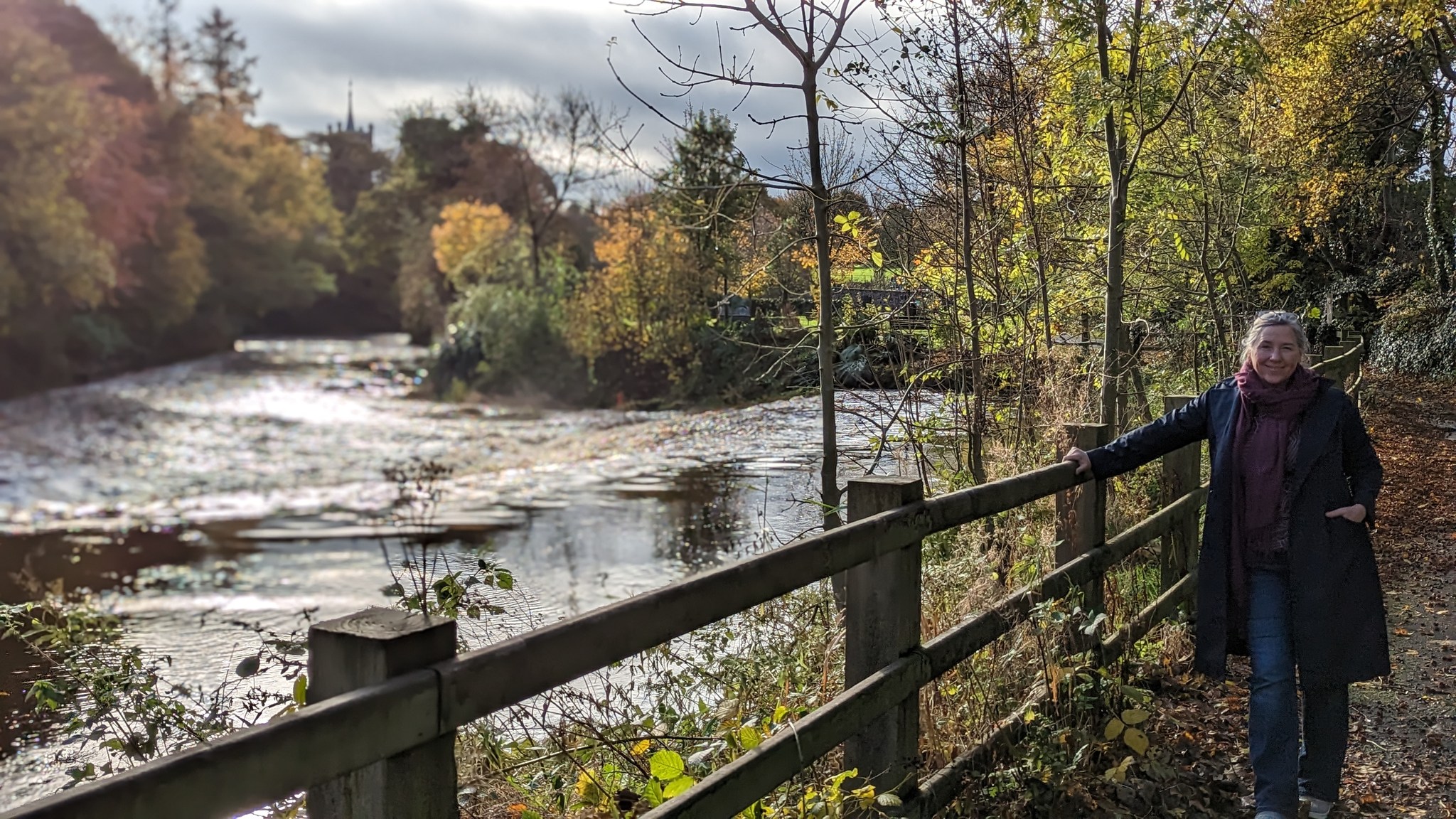
Moyaver is a townland at the edge Armoy, and Armoy is a village set between 2 of the 9 glens of County Antrim on a bend in the river Bush. It started as a monastic settlement in 460AD, founded by St. Olcan, a disciple of St Patrick. The monastery’s round tower can still be seen on the grounds of St. Patrick’s church. But in 1891, in Daniel’s prime, Armoy was just a rural postal town, with 18 houses and 81 souls.
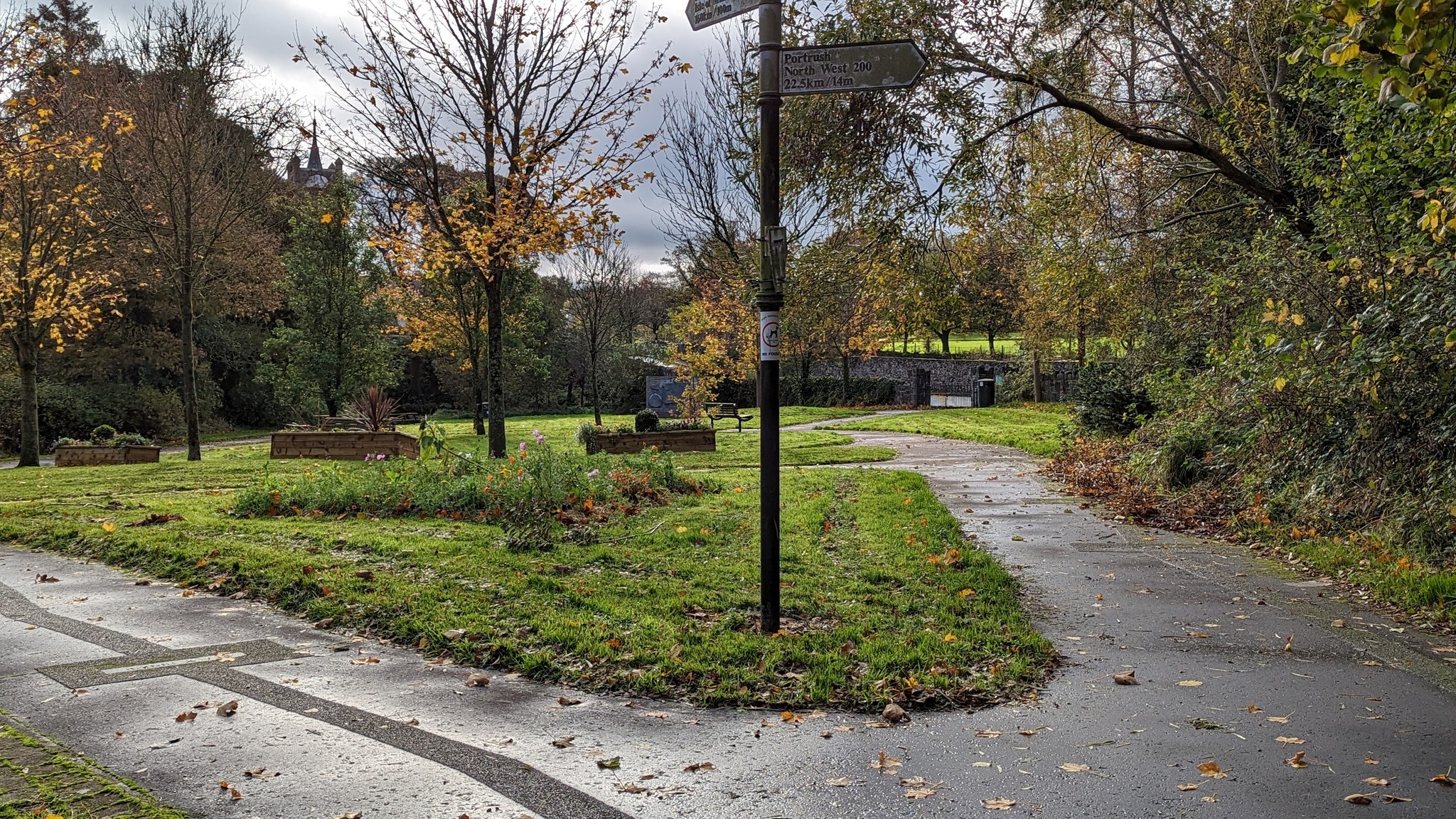
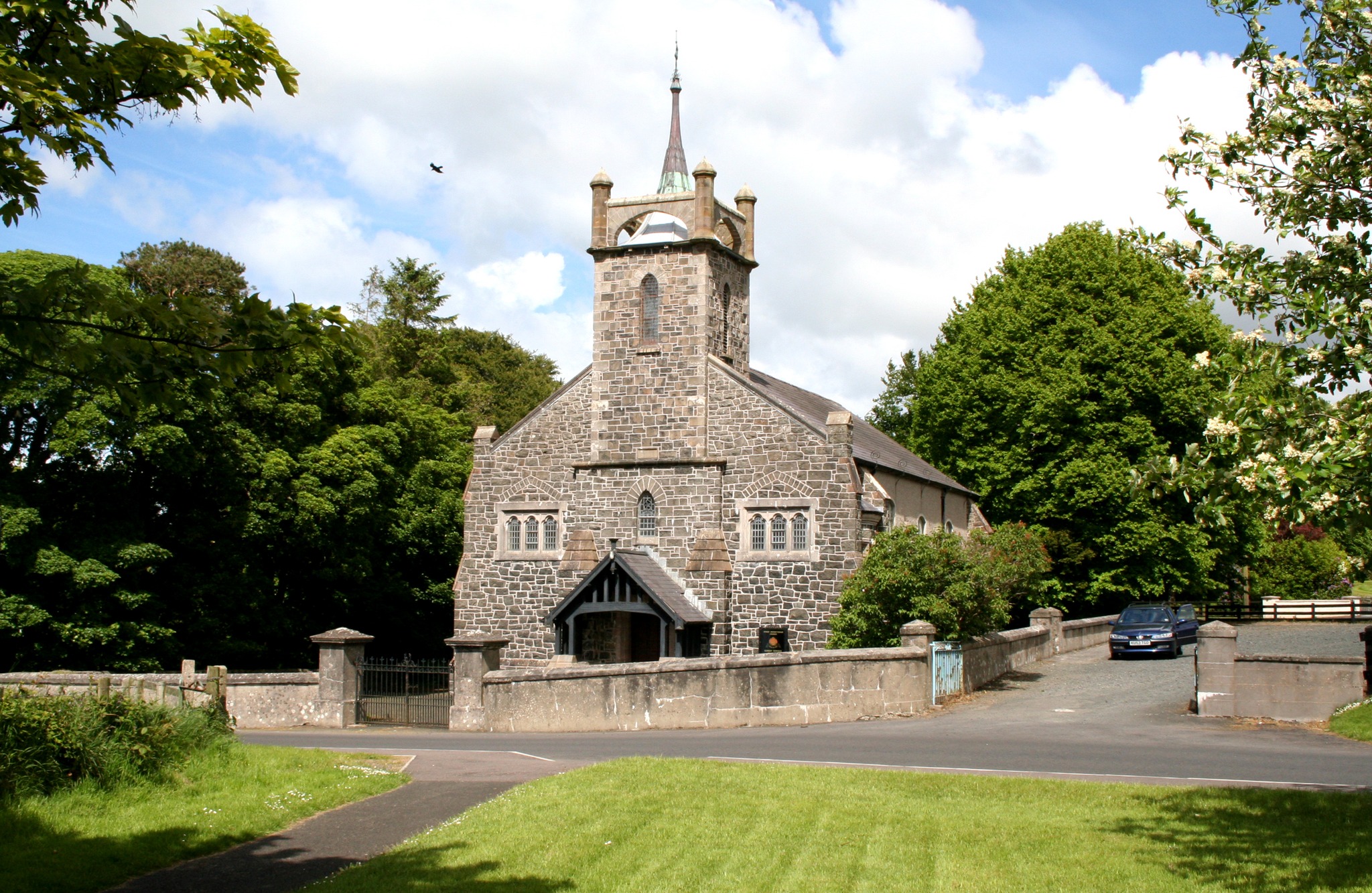
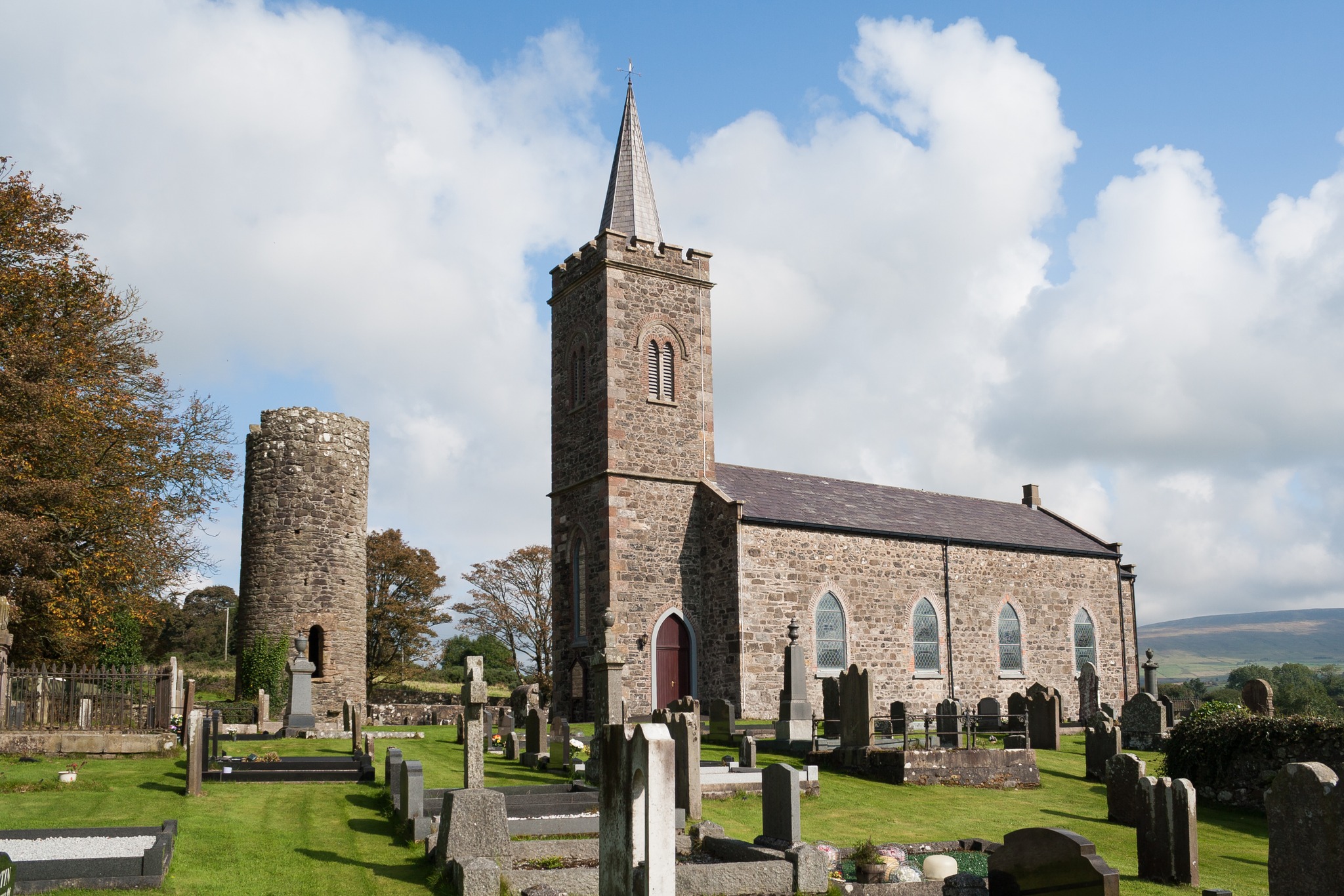
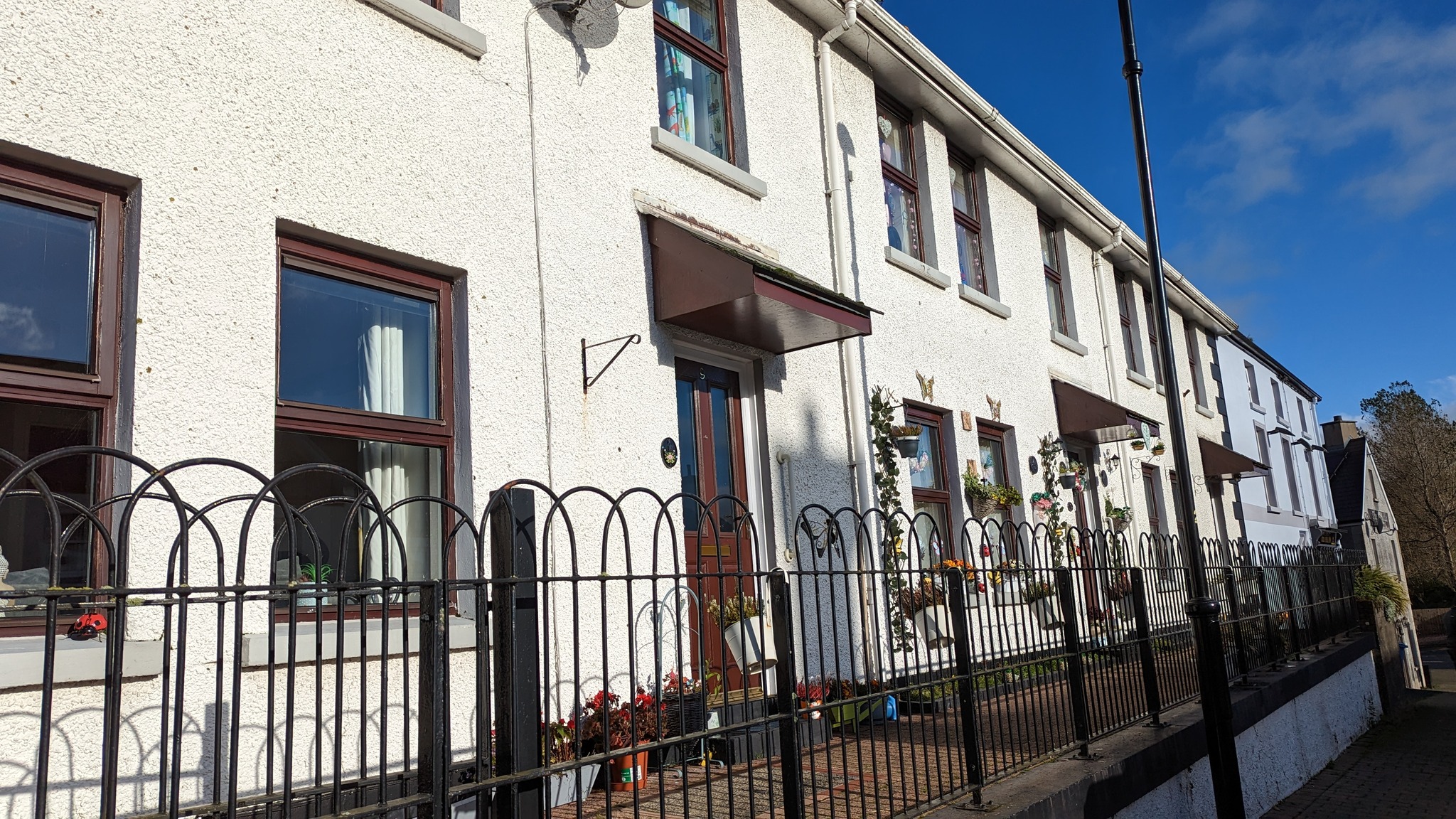
The Armoy Post
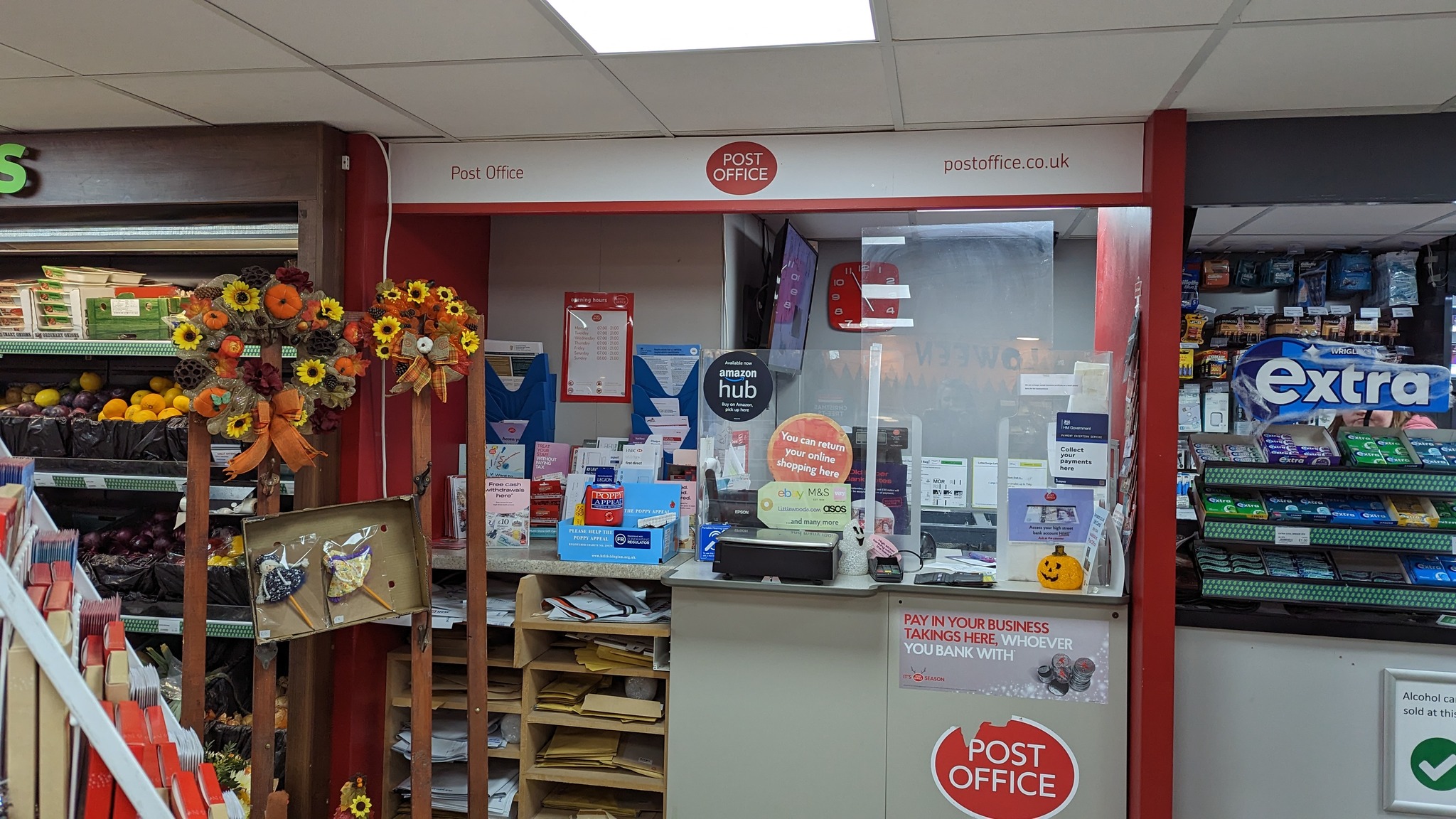
The Armoy rural post started in Mrs. Dornan’s front room in 1838 and then moved inside the village grocers on Main St, where it still is. Members of my family – my grandfather, great-grandfather and 2nd great-uncle – all worked for the postal service from about 1885 to 1933.
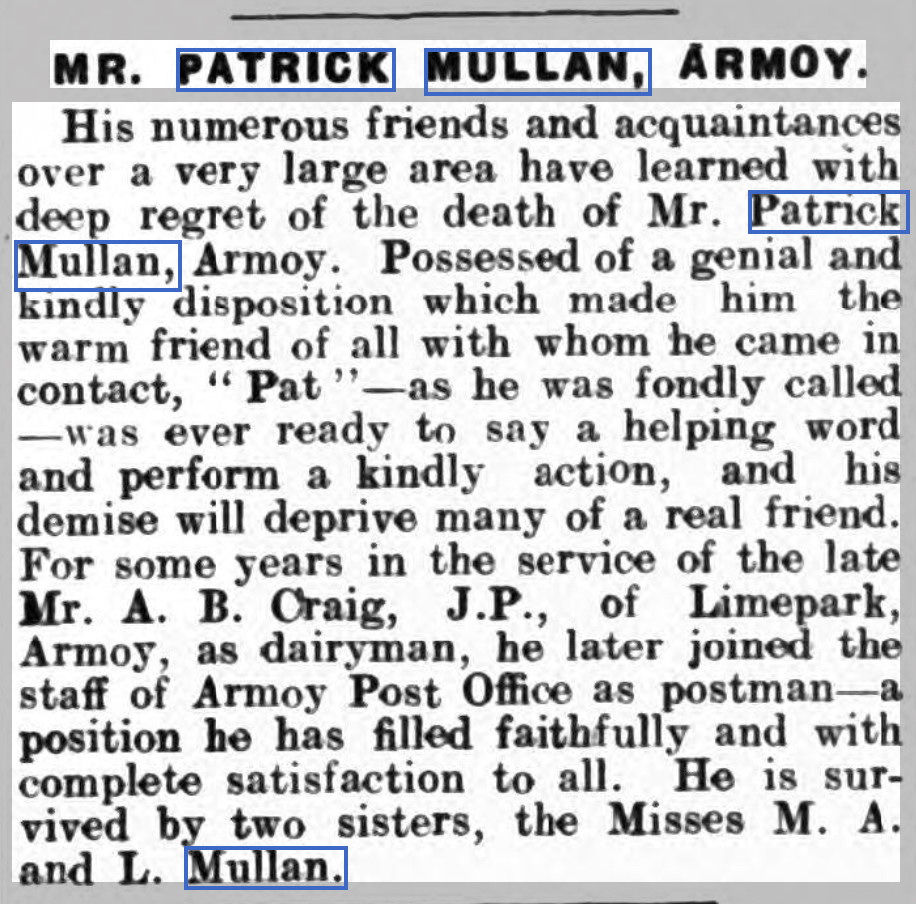
Daniel William became a messenger with the Armoy Post while still a teenager. Eventually he was a full-fledged and well-respected postman. After 20 years of service in Armoy, he was sent to Belfast, then quickly re-posted to Ballymoney where he spent the rest of his life. His older brother Patrick became his successor in Armoy and was likewise well-regarded.
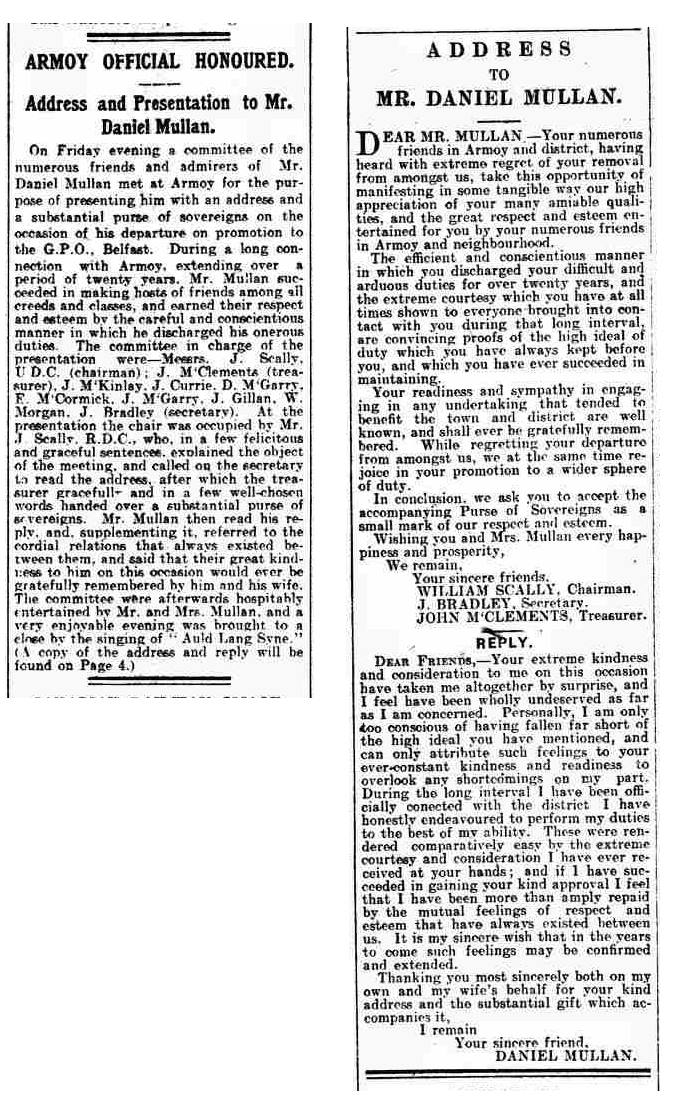
An article from the Irish News & Belfast Morning News (1 FEB 1909) recounts Daniel William’s send-off by the Rural District Council of Armoy. A man named Scally, probably a 1st cousin, gave remarks and remarkably, there is a speech by Daniel William himself.
Marriage to Elizabeth Gallagher
By the time Daniel William married Elizabeth Gallagher on the 27 Sep 1900, she had already emigrated 3 times.
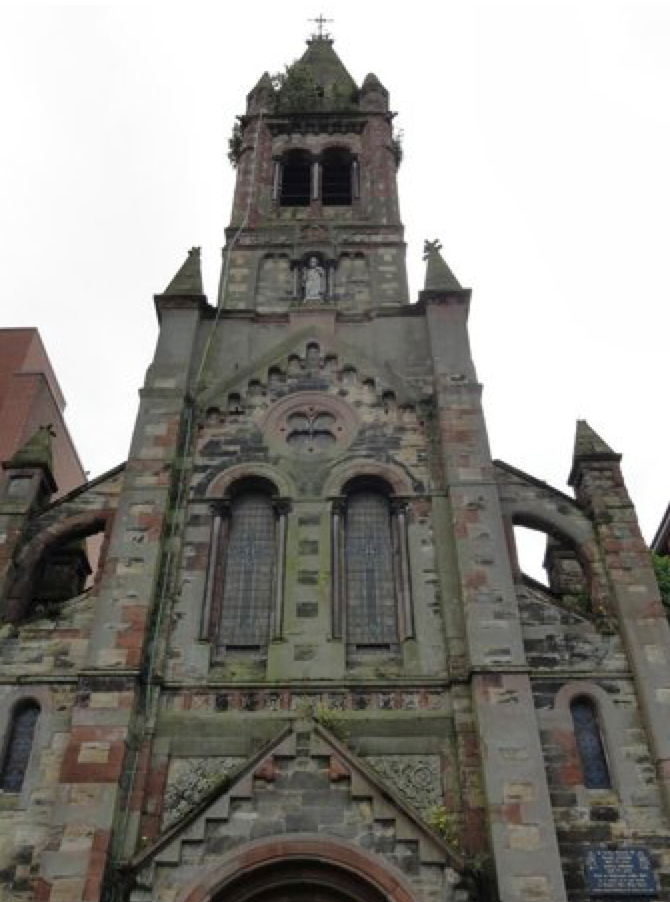
She was was born in Dundee, Scotland, to parents born in Scotland, and grandparents, all immigrants to Scotland, originating in Ulster. When her father died in her early teens, she was sent to live with her great-uncle at Stroan in County Antrim. She probably met Daniel William there – that farm was served by the Armoy Post Office. She left her great-uncle’s farm to work as a maid in Boston for 4.5 years before coming back to marry. When they did marry, it was not in Armoy. It was steps away from the arriving boat on the docks at Belfast in St. Joseph’s Chapel at Sailortown.
Of his 4 siblings, Daniel William was the only one to marry – possibly because he was the only one who had a reliable source of income as a civil servant. His new wife, Elizabeth, probably also came back from America with a nest egg.
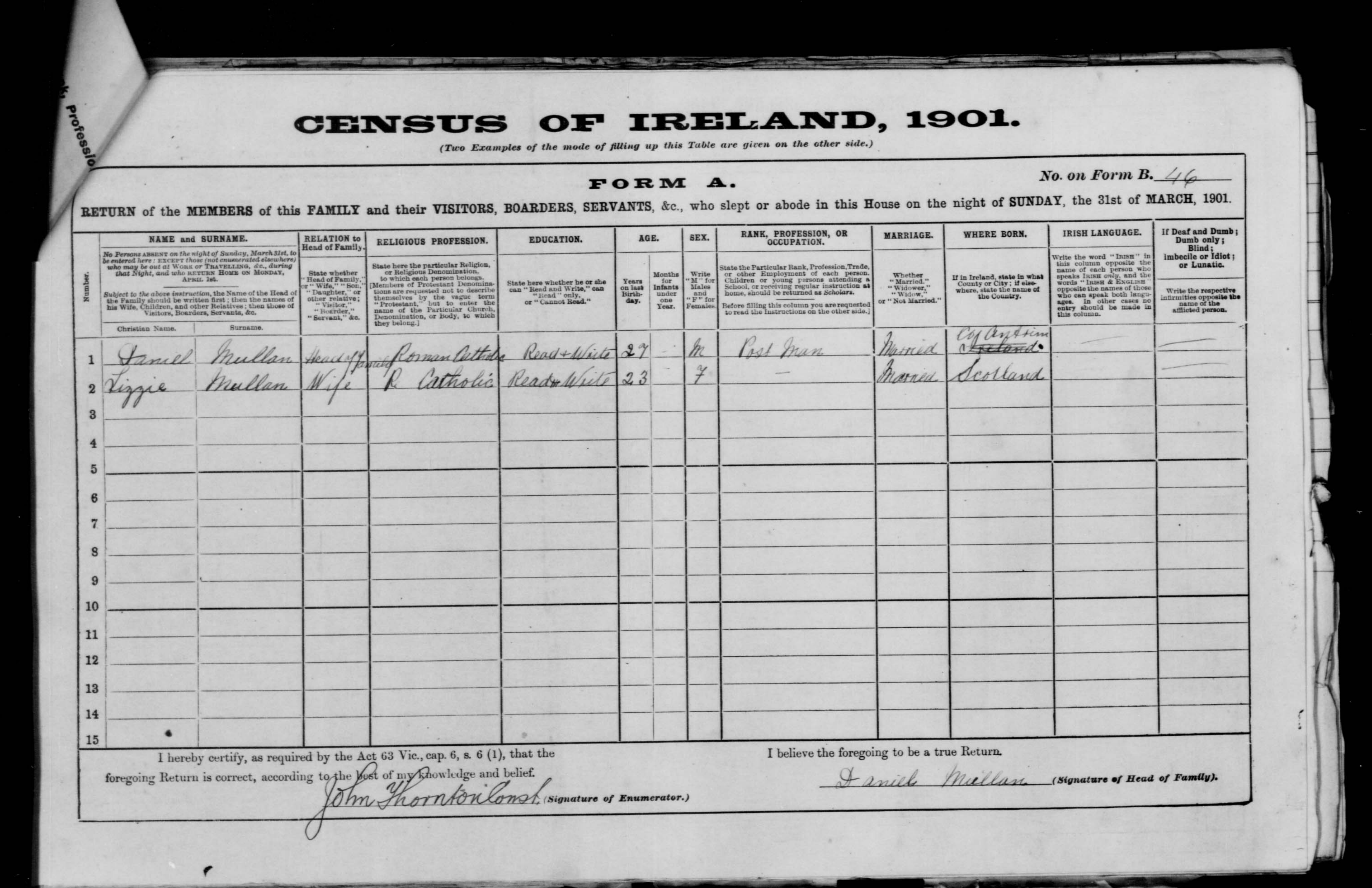
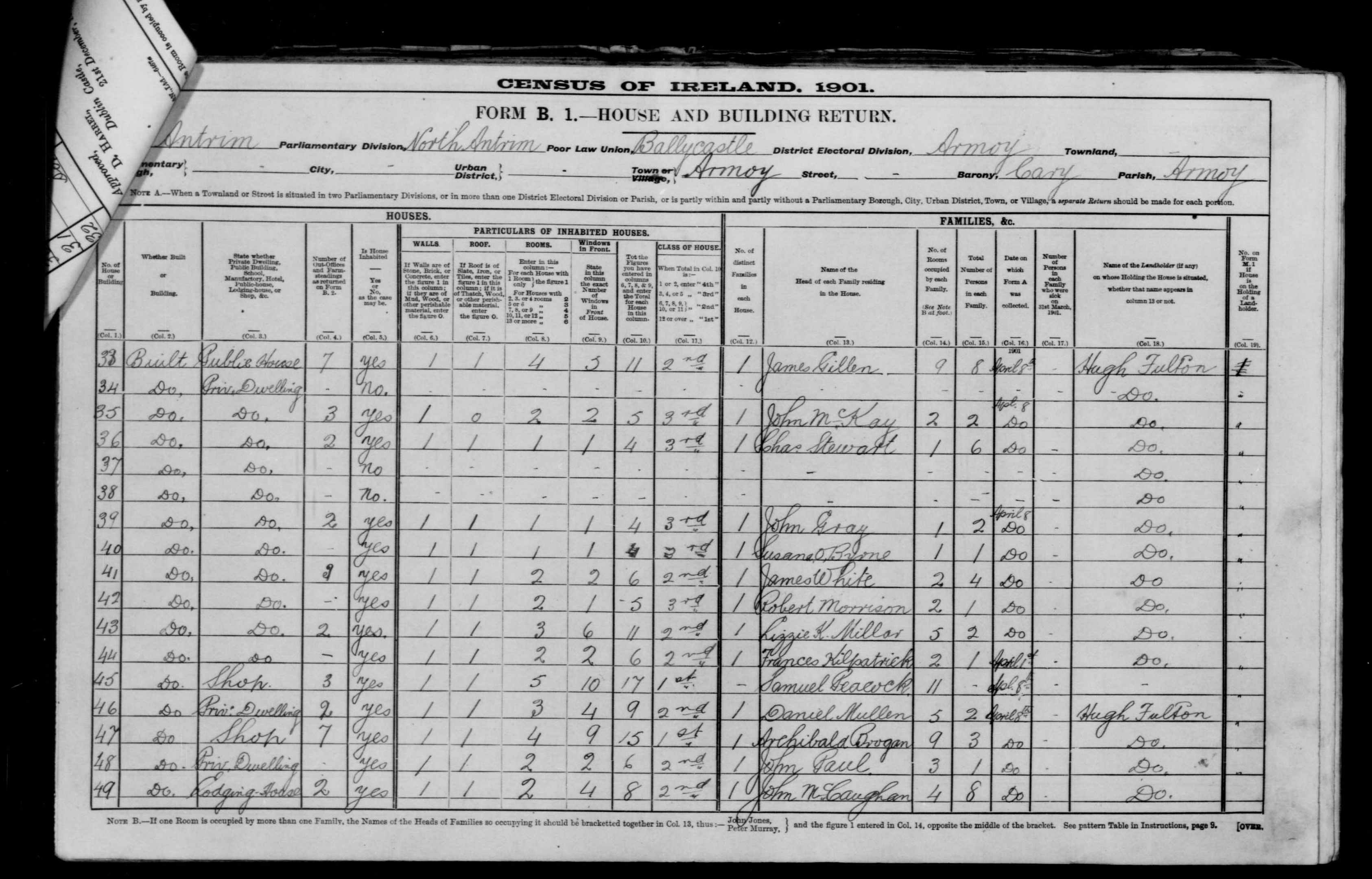
It’s clear from census records that they were doing much better than the rest of his family. His father, brother and two sisters were living in a cottage on Lime Park with just 2 rooms and 2 front windows. Daniel William & Elizabeth had a house with 5 rooms and 4 front windows in the center of Armoy. They rented it – most people rented – from a man named Hugh Fulton who owned most of the 78 buildings in town.
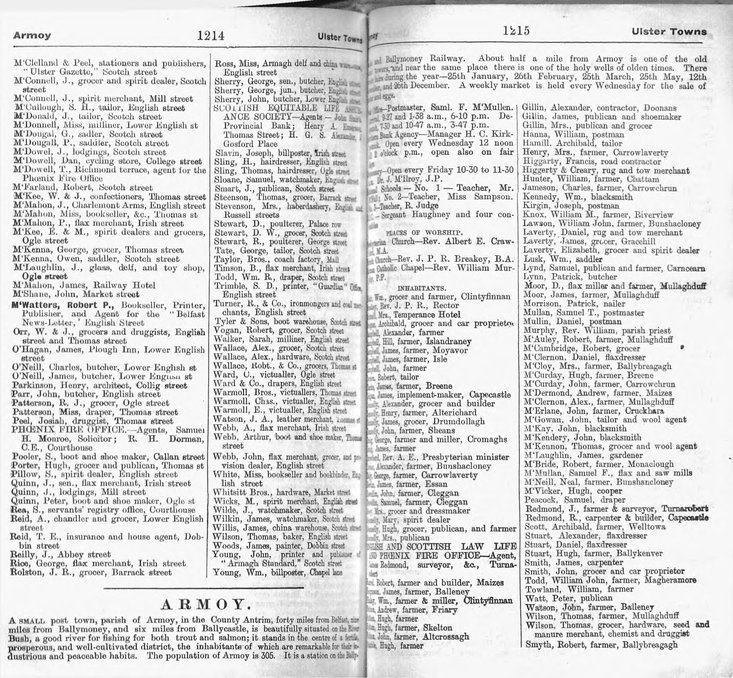
The 1901 census doesn’t include addresses, it just lists houses in the order of visitation, typically following the route of the census taker. If we cross the path of the census taker with the town’s directory listings, we start to get a feel for where they actually lived…
There were 17 private dwellings, followed by James Gillen’s Pub, then 11 private dwellings, then Samuel Peacock’s drapery shop, then Daniel William’s home, followed by Archibald Brogan’s grocery shop, a private dwelling, then John McCaughan’s Lodging house, followed Hugh Donnelly’s Public House, Lucretia Donnelly’s Public House, the bank, the dispensary, a private dwelling, the Armoy national school and finally St. Olcan’s school, etc…
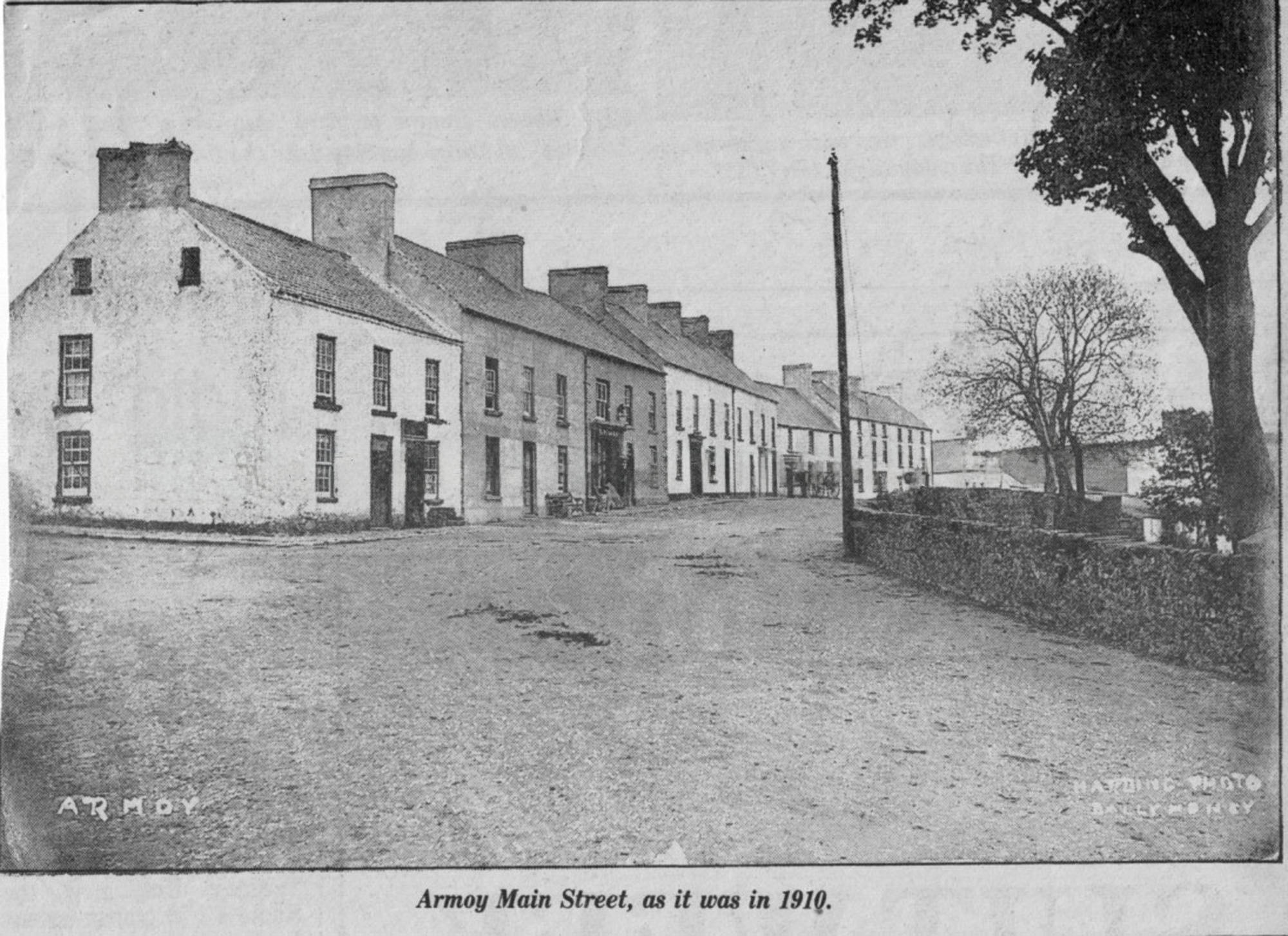
Since a lot that still exists we can take a reasonable stab at where their house actually was. The post office was and is inside of the local grocery store – then called Archibald Brogan’s and now called Mace’s. Their home was likely #17, the house just before Mace’s, with 5 rooms and 4 front windows.
They spent 10 years together in Armoy, welcoming the first 3 of their 4 children there.

Belfast, Ballymoney & Partition
In 1909, a promotion took the family to Thames St, in Belfast – a tiny semicircle just off the Falls Road. Their 4th child Harriet was born there but they stayed less than a year. It’s not clear to me why the stay was so short – maybe he was there for training, maybe they didn’t care for the big city.
By APR 1911, they were living in Ballymoney, first at a house on Castle Street, later moving to 39 Union Street. He would spend the last 12 years of his life working for the postal service there.
In 1913, Britain was on the point of allowing home rule in Ireland when many Irish protestants, fearing minority status in an independent Ireland, signed the Ulster Covenant, formed the Ulster Volunteers and began importing German arms. At the same time, the Irish Volunteers formed and that would evolve 6 years later into the first Irish Republican Army.
By the time WWI broke out in 1914 food was already a point of political tension. The famine was not a distant memory and Ireland was still exporting a lot of it’s home grown crops to Britain. During the famine, the Irish population was overly dependent on the potato, which was destroyed by blight. In WWI, they were overly dependent on cheap food imports which were cut off by German blockades. Food shortages were widespread and prices went through the roof.
The Easter Uprising came in 1916, in the middle of WWI. The British put down the insurrection in just 6 days but the brutality of their response – 485 casualties, 260 civilian casualties, 2600 wounded, 2200 civilian wounded – cemented opposition to British rule. When WWI finally did end, losses were staggering. Ballymoney lost 25% of it’s service age men – to say nothing of the wounded.
The Irish War of Independence began just 2 months later – 2,346 casualties in total, half of them civilian. It ended on 11 JUL 1921 with a treaty partitioning the island. That was followed by civil war between those who did and those who did not accept partition. That war didn’t end until 24 May 1923.
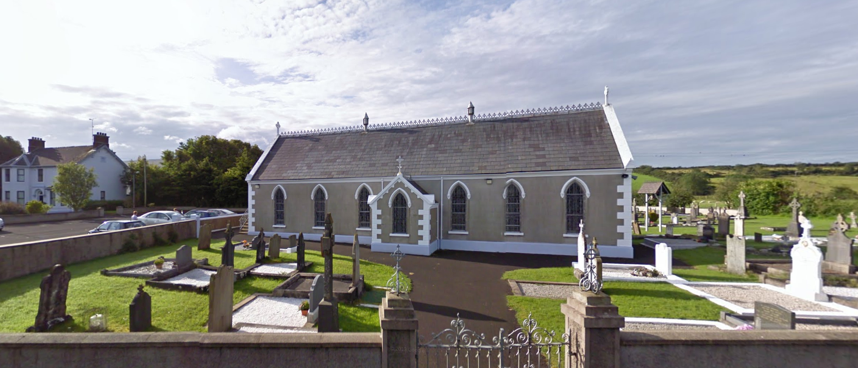
Daniel lived long enough to see his country divided, but not long enough to see the end of the Civil War. He died of stomach cancer at home, in the presence of his oldest son Daniel, on 1 FEB 1923. The war ended 2 and a half months later. His entire family would emigrate by the end of the year. He was 51. He, his parents and his 3 siblings all rest under a single tombstone in the churchyard of St. Olcan’s in Armoy.